ツアー概要

Philosophy of allowing both the samurai and the people to enjoy the garden together in Edo.
市民共楽ツアーの魅力
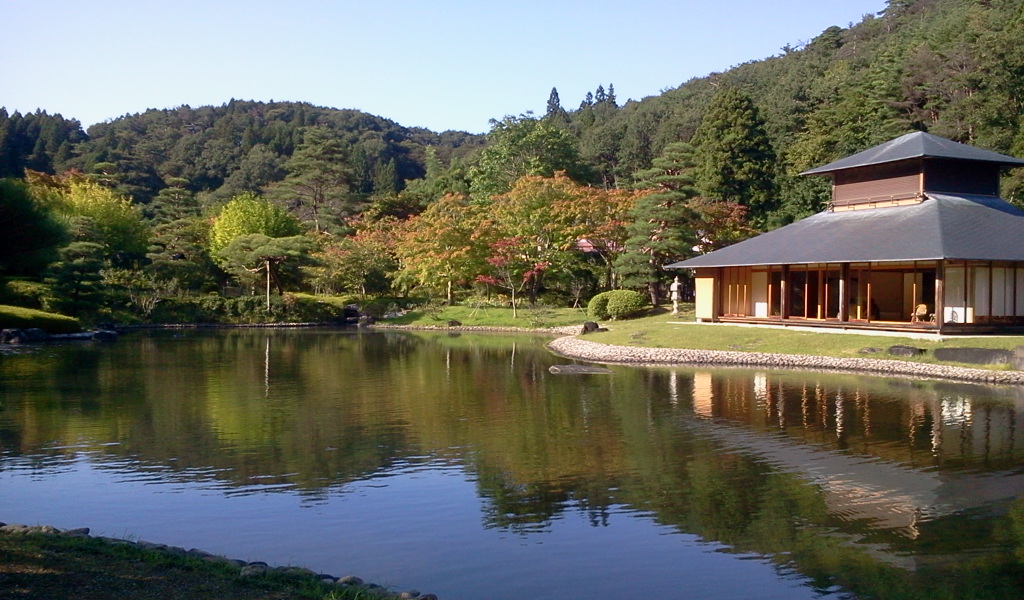
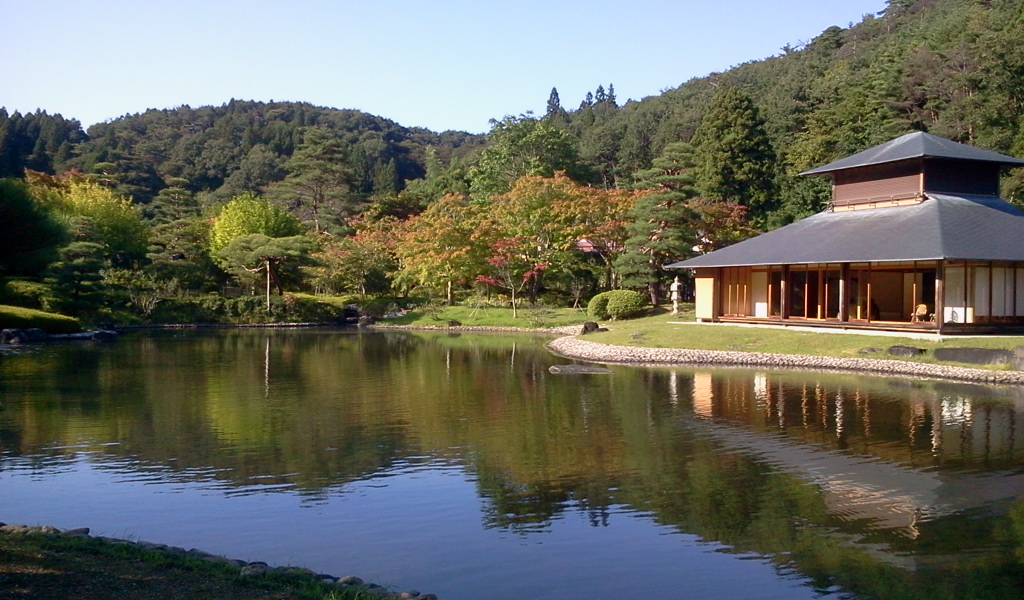
Japan’s oldest park Nanko Park
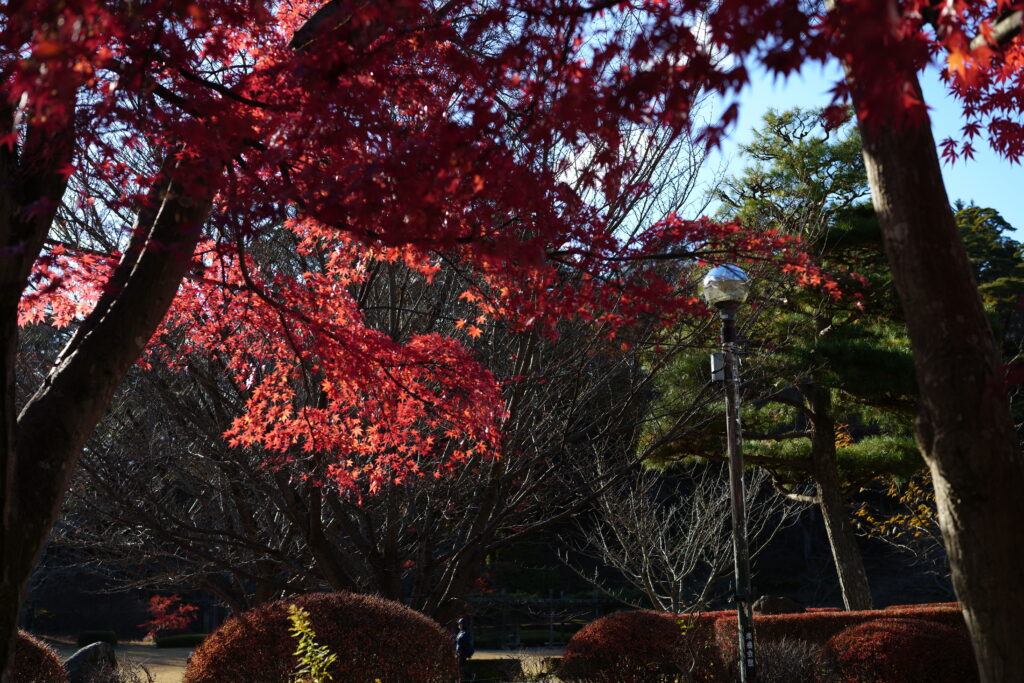
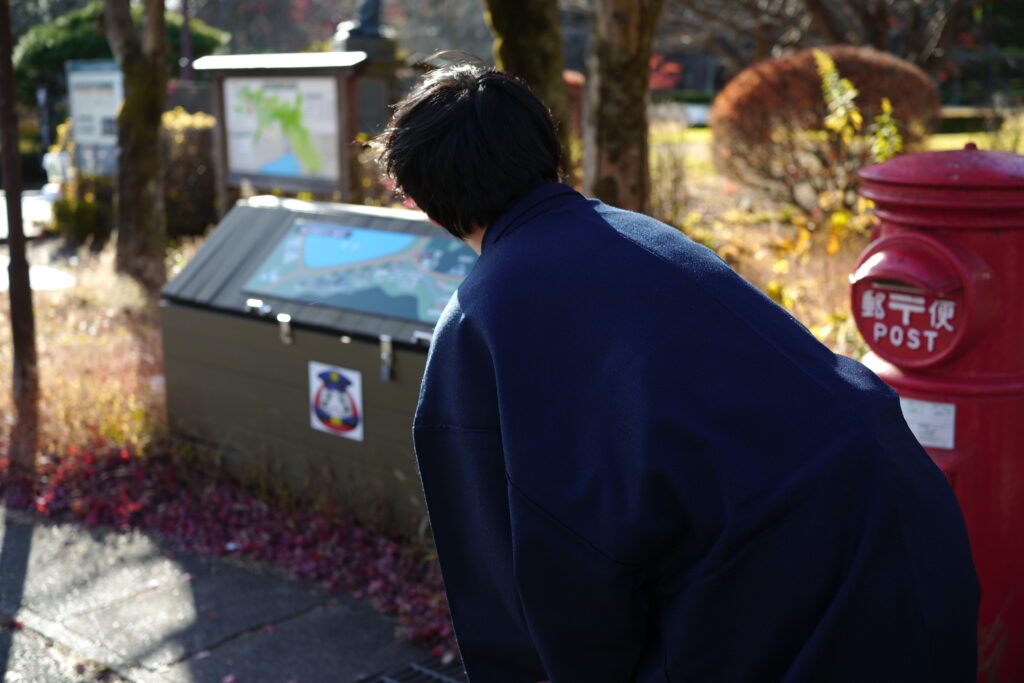
Nanko Lake was built in 1801, the first year of the Kyoho era, by Sadanobu Matsudaira, the master of the Shirakawa Domain. Without walls or fences, the garden was intended to be a place where anyone could enjoy the scenery at any time, fulfilling the “Shimin Kyoraku” philosophy of allowing both the samurai and the people to enjoy the garden together. In the Edo period, gardens were usually created by feudal lords for their own enjoyment, and this was the first garden (park) for the public.

1
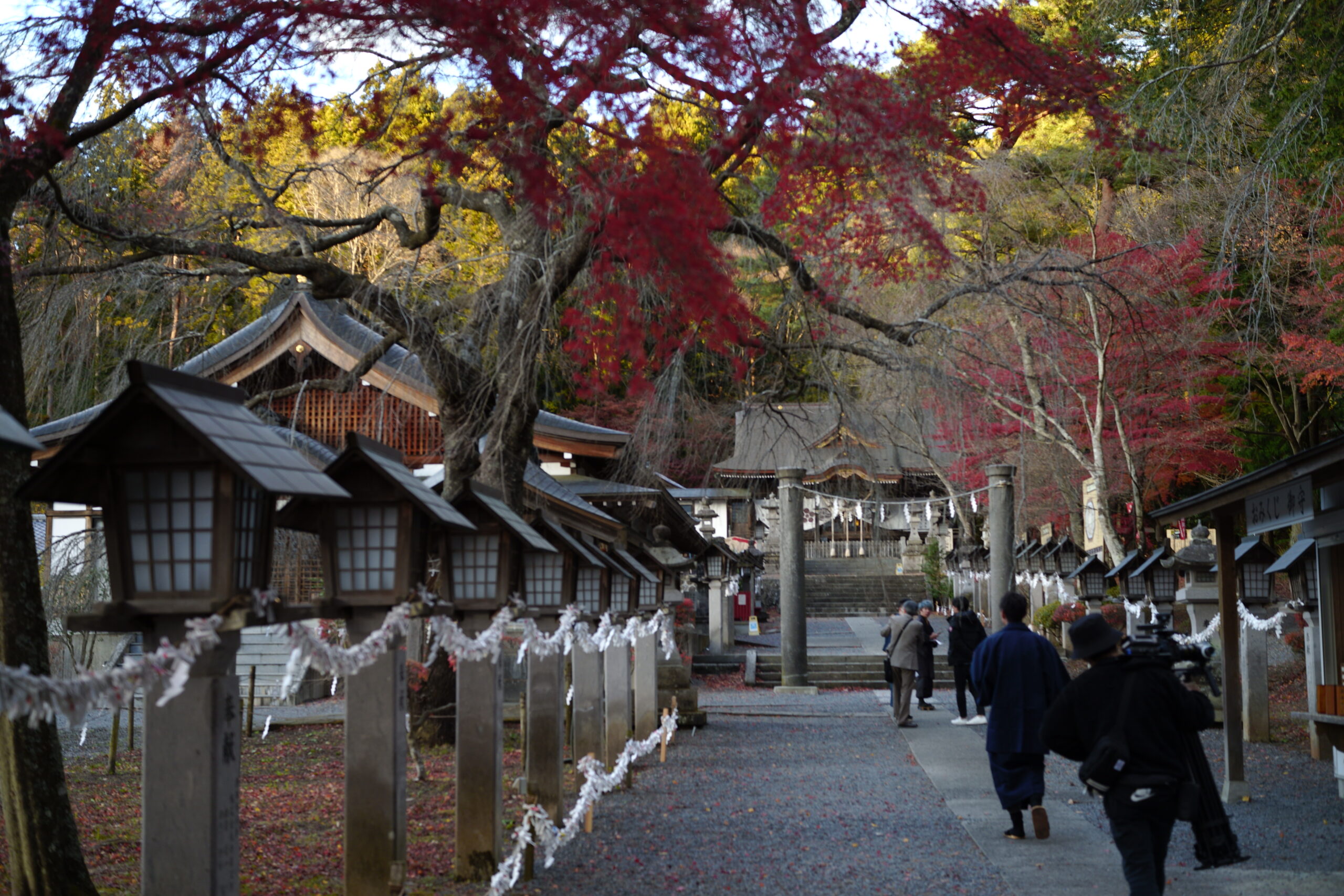
The shrine is dedicated to Shirakawa Rakuo, the god of the Nanko Shrine. In 1916, Shirakawa City financed the construction of a shrine dedicated to Sadanobu Matsudaira, and on 1922, a ceremony was held at the Nanko Shrine thanks to the efforts of the citizens and Eiichi Shibusawa, a business magnate at the time and a great admirer of SadanobuMatsudaira.Every spring, the shrine grounds are filled with visitors as the cherry trees along the lakeside.
2
It began when Sadanobu Matsudaira served it to the craftsmen who worked to build Nan-ko Park, and it has been passed down through the generations.
Today, there are three Nan-ko Dango stores, and various flavors are produced by each store, such as red bean paste, sesame, miso, and Mitarashi. Please try the historic Nan-ko dango while enjoying the seasonal atmosphere of Nan-ko Park, the oldest park in Japan.
3
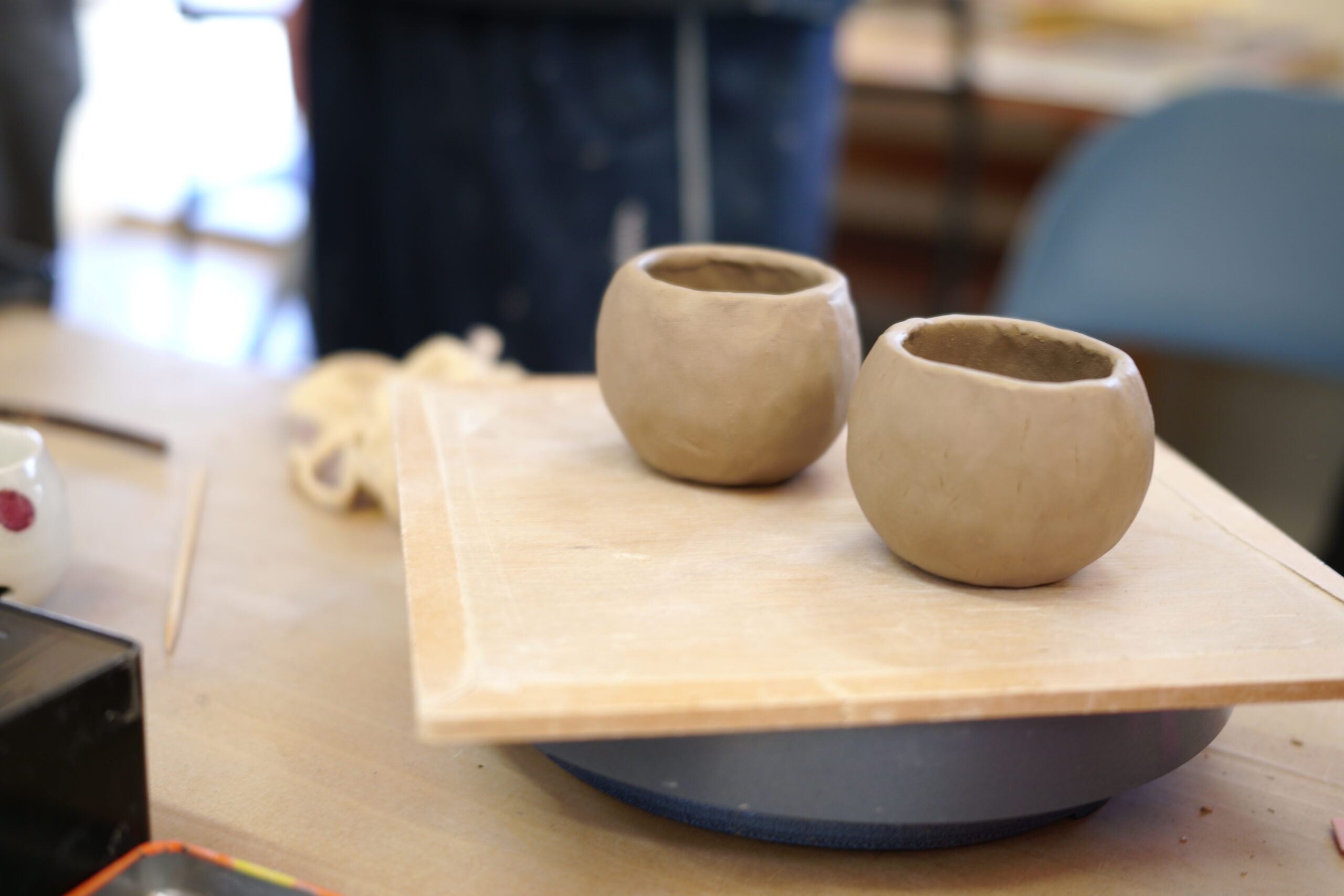
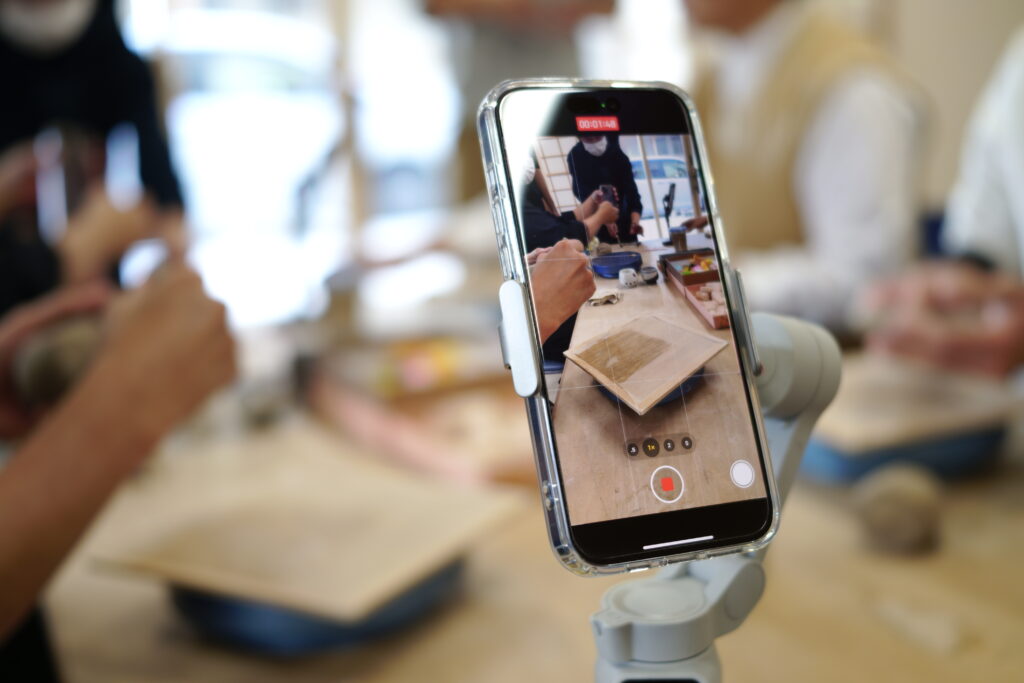
First, we will experience pottery making at the Ikariya Kiln, the kiln where Obori Soma-yaki pottery has been produced since the Edo period (1603-1868) up to the present. Ohori Soma-yaki pottery is characterized by the beauty of its blue cracks, which spread throughout the entire piece, and by its paintings of horses. It also has a revolutionary design with a double-layered structure that keeps the water cool and hot.
4
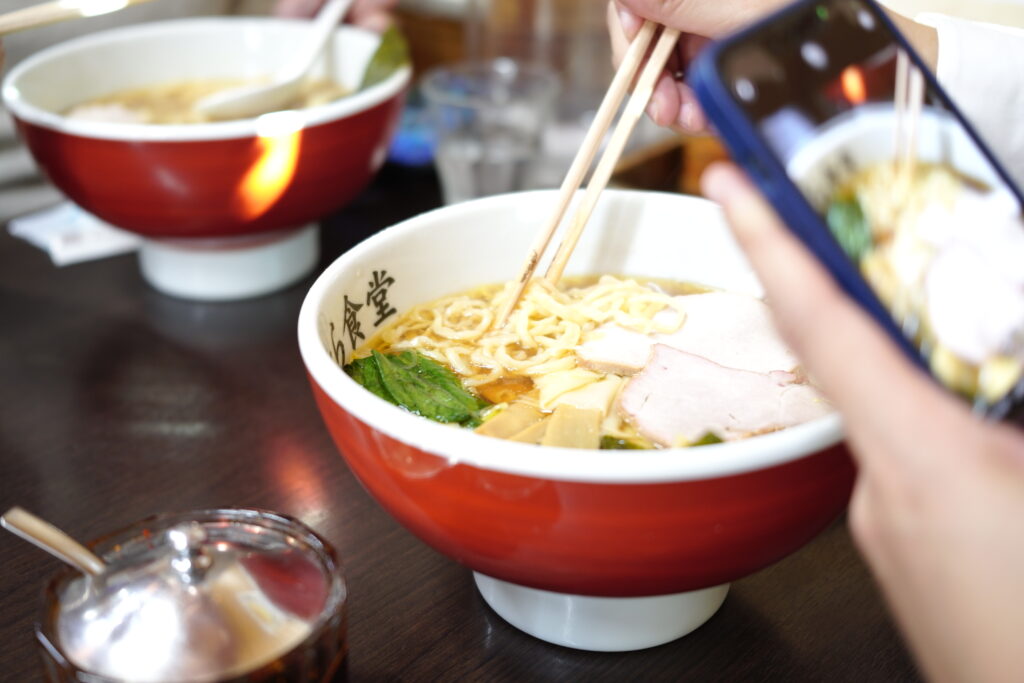
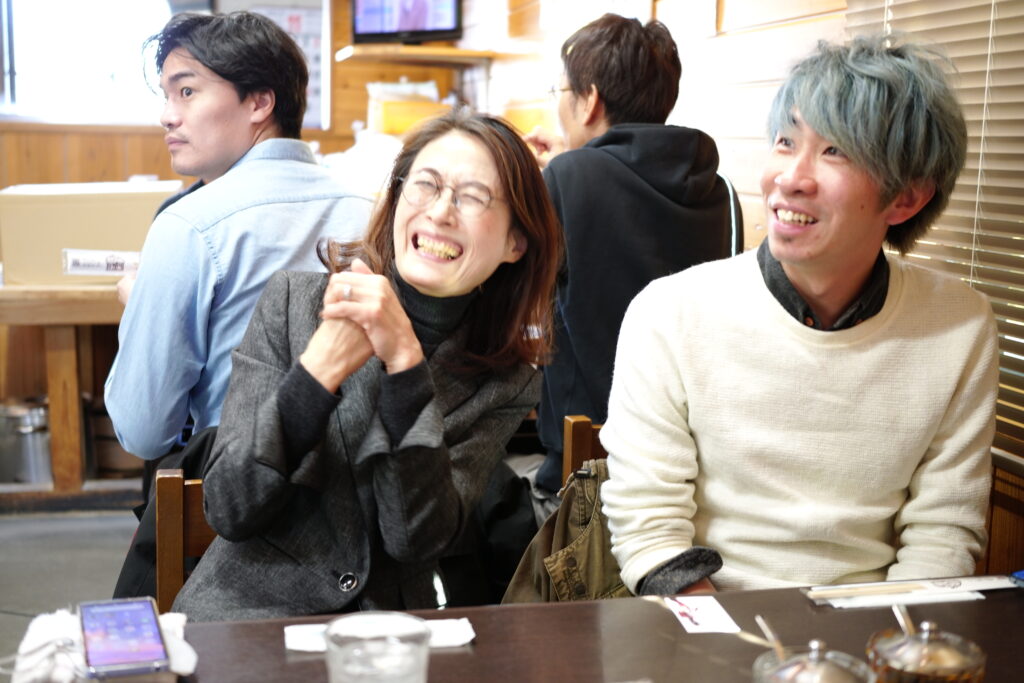
For lunch, we will eat the famous ramen, a nationally popular dish. Tora Shokudo is the originator of Shirakawa ramen, and the ramen made by the first owner, Takei Toraji, became so popular for its taste that people who trained at this restaurant opened their own ramen shops, a chain of more than 100 stores in the city today.
5
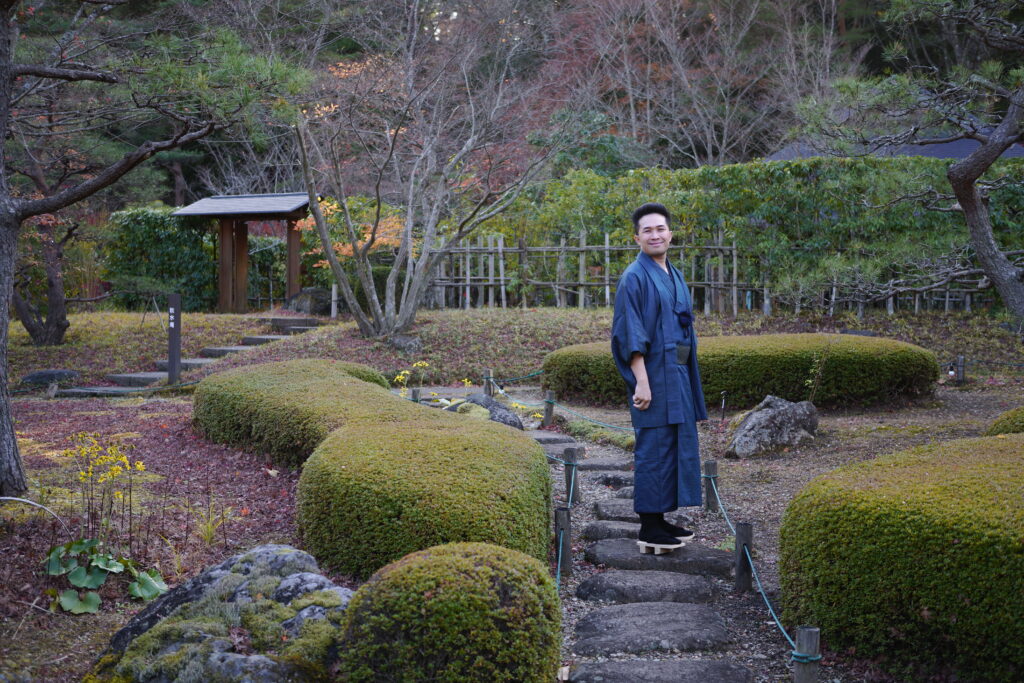
After lunch, we are invited to wear kimonos and have tea receptions at the Nanko Park "Syusui-an". Sadanobu Matsudaira had a deep understanding of the tea ceremony and wrote his views on the tea ceremony, including "Chado kun" (tea ceremony lessons). Wearing a kimono and learning more about the tea ceremony while being taught by a teacher in a tea room just as it was done in those days is a great way to deepen your study of Japanese history.

6
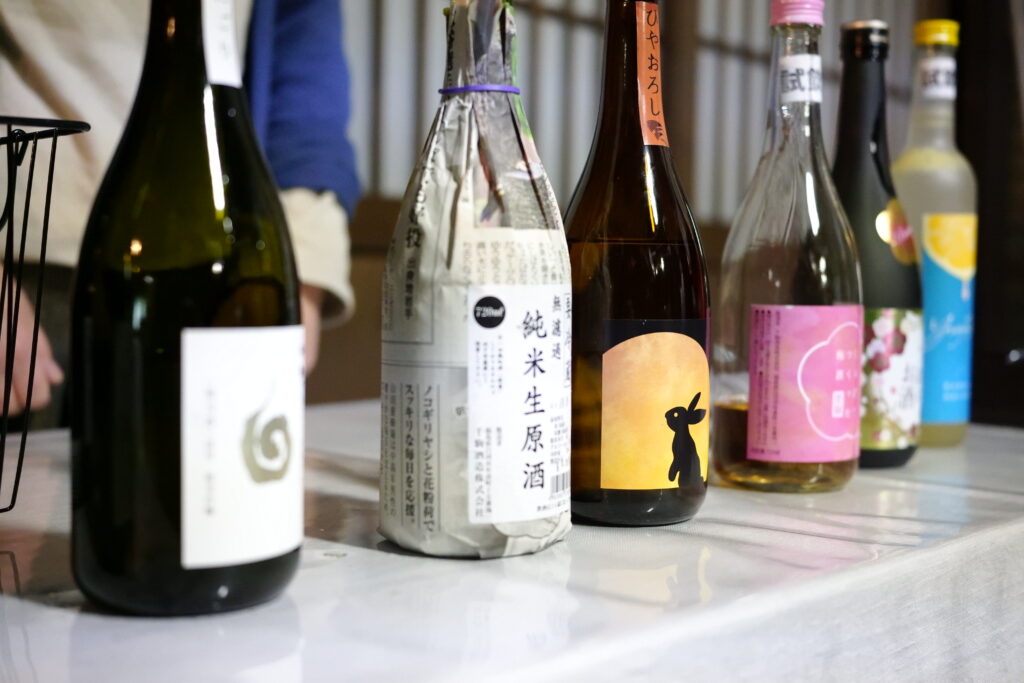
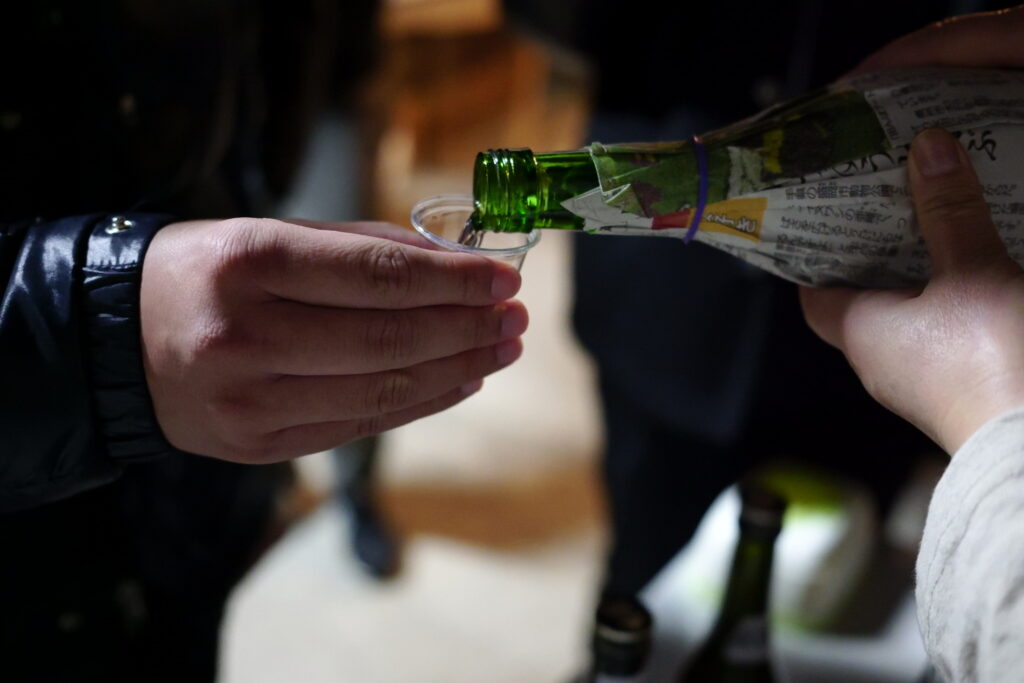
After the tea ceremony experience, take a tour of the sake brewery and experience sake tasting at Senkoma Sake Brewery, a sake brewery that has been operating in Shirakawa City for over 100 years. The brewery is a prestigious sake brewery that has won the gold medal many times at the annual National Sake Competition.
7
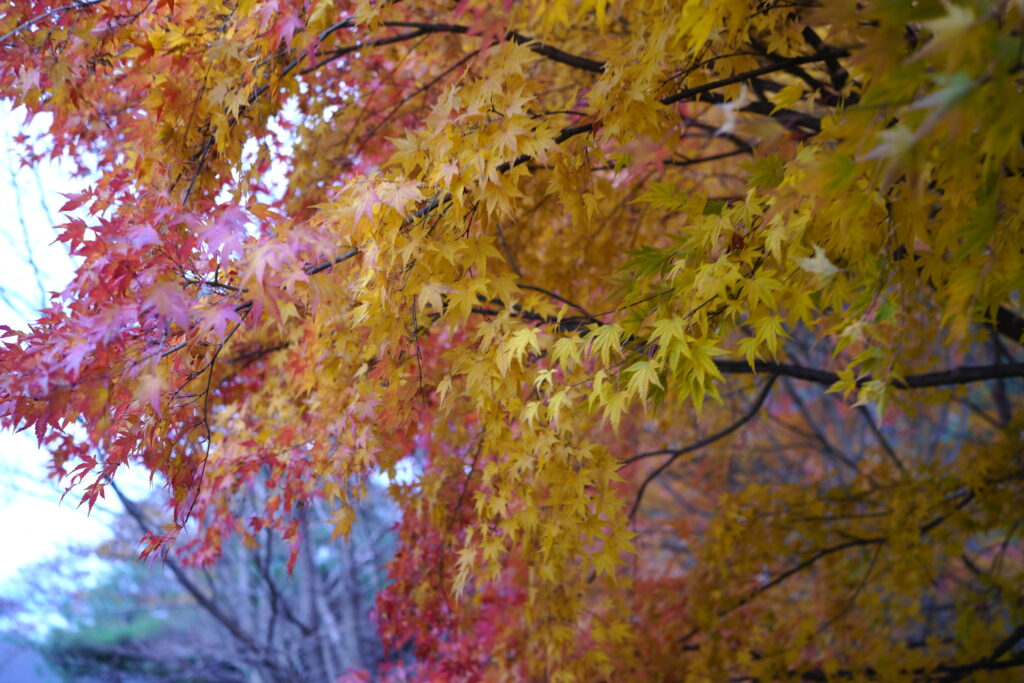
Shirakawa’s commitment to sustainable living is evident in its efforts towards environmental conservation. The city is dotted with lush parks and clean, flowing rivers, showcasing a harmonious balance between urban development and nature preservation.
In conclusion, Shirakawa City is more than just a destination; it's an experience. It's a place where history, culture, nature, and modernity converge to create a tapestry of unforgettable memories. Whether you're a history buff, nature lover, foodie, or simply seeking a peaceful retreat, Shirakawa welcomes you with open arms and a promise of something special.
8
Fukushima Prefecture, a land of breathtaking beauty and rich history in the heart of Japan. Here, you can explore the mesmerizing landscapes of the Bandai Plateau, witness the vibrant colors of the Aizu region, and enjoy the serene beauty of the Pacific coastline. Fukushima is home to a diverse array of natural wonders, including the stunning Goshikinuma Lakes, known for their mystical colors, and the awe-inspiring Tsuruga Castle, a symbol of resilience and rebirth.
Come, immerse yourself in the wonders of Fukushima Prefecture, where every corner holds a story and every moment is an opportunity to create lasting memories.
Shirakawa City, nestled in the southern part of Fukushima Prefecture, is easily accessible via a variety of transportation methods, catering to travelers from both within Japan and overseas.
By Train:
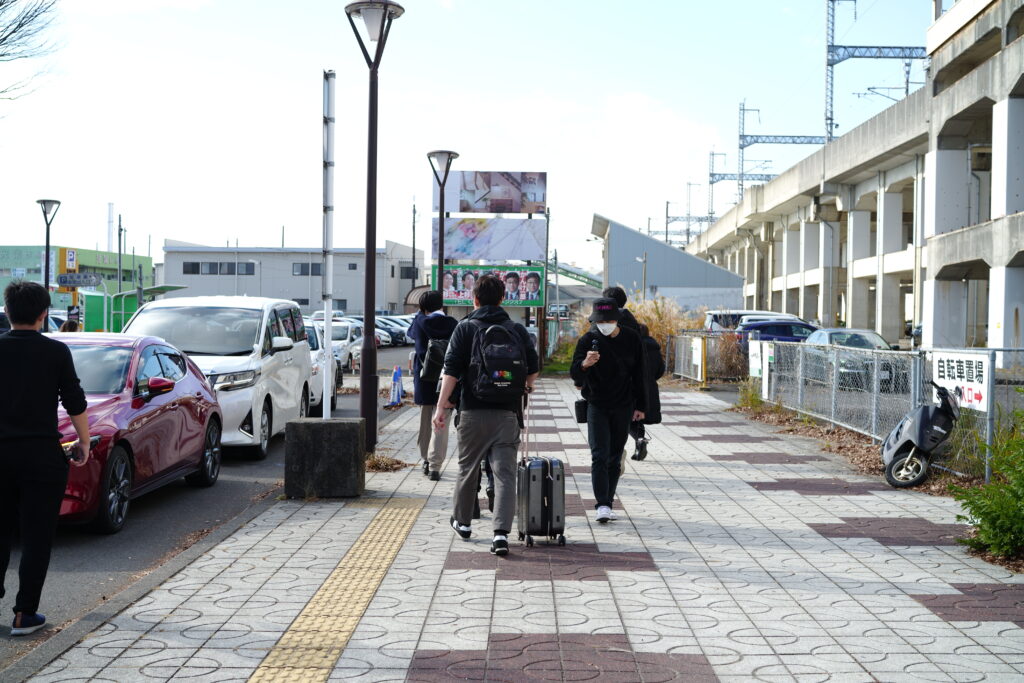
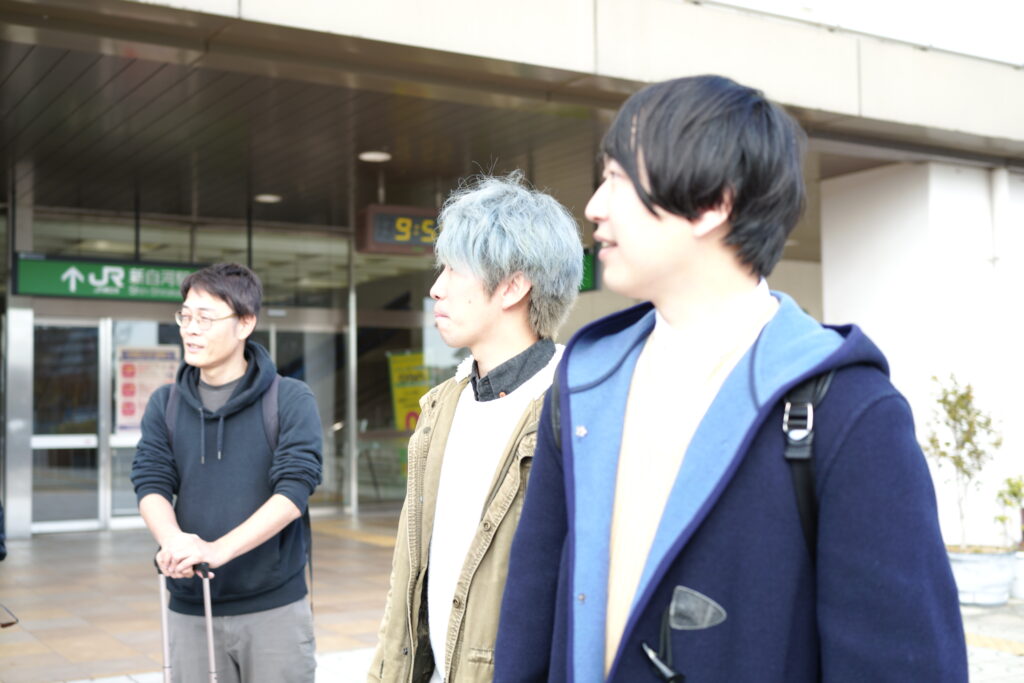
From Tokyo: Tohoku Shinkansen (bullet train). From Tokyo Station, take the Shinkansen to Shin-Shirakawa Station. The journey typically takes about 80 to 90 minutes.
By Bus:
Buses depart from Tokyo Station or Shinjuku Station, and the travel time is around 3 hours.
By Car:
From Tokyo, the drive usually takes about 3 hours, depending on traffic conditions.
MAP